
Understanding Timeshare Payment Consequences: What Happens When Payments Are Missed
Owning a timeshare can seem like a convenient way to enjoy vacation properties without the full cost of ownership. However, the financial commitment involved is often underestimated. When timeshare mortgage payments are missed, the consequences can be severe and long-lasting. This article explores the various outcomes of not paying your timeshare mortgage, providing clear information to help owners understand their options and the risks involved.
The Reality of Timeshare Payment Consequences
Timeshare payment consequences are serious and can affect your financial health and credit standing. When payments are not made on time, the timeshare company or lender will take steps to recover the owed money. These steps can include late fees, increased interest rates, and eventually legal action.
Missed payments can also lead to the loss of the timeshare property. Unlike traditional home mortgages, timeshare loans often have fewer protections for the borrower. This means that the lender can move quickly to repossess the property and sell it to recover their losses.
It is important to understand that timeshare companies are motivated to collect payments because they rely on these funds to maintain the property and provide services. Failure to pay disrupts this system and leads to consequences that can escalate rapidly.

How Missed Payments Affect Your Credit Score
One of the most immediate consequences of not paying your timeshare mortgage is damage to your credit score. Timeshare lenders report missed payments to credit bureaus, which can lower your credit rating significantly. This drop can affect your ability to secure loans, credit cards, or even rent housing in the future.
The impact on your credit score depends on how long the payments remain unpaid. A single missed payment may cause a small dip, but multiple missed payments or a default can lead to a severe credit score reduction. This damage can take years to repair.
Additionally, the timeshare lender may send your account to a collection agency. Collections accounts remain on your credit report for up to seven years, further complicating your financial situation.
What Happens if I Default on a Timeshare Loan?
Defaulting on a timeshare loan means you have failed to meet the terms of your loan agreement, typically by missing several payments. The consequences of default are more severe than simply missing a payment.
When a default occurs, the lender has the right to initiate foreclosure or repossession proceedings. This process allows the lender to take back the timeshare property and sell it to recover the outstanding debt. Foreclosure can also result in a deficiency judgment if the sale does not cover the full amount owed.
Legal action may follow, including lawsuits to collect unpaid balances. This can lead to wage garnishment or bank account levies, depending on state laws.
It is crucial to act quickly if you find yourself unable to make payments. Contacting the lender to discuss options such as loan modification or payment plans can sometimes prevent default and its harsh consequences.
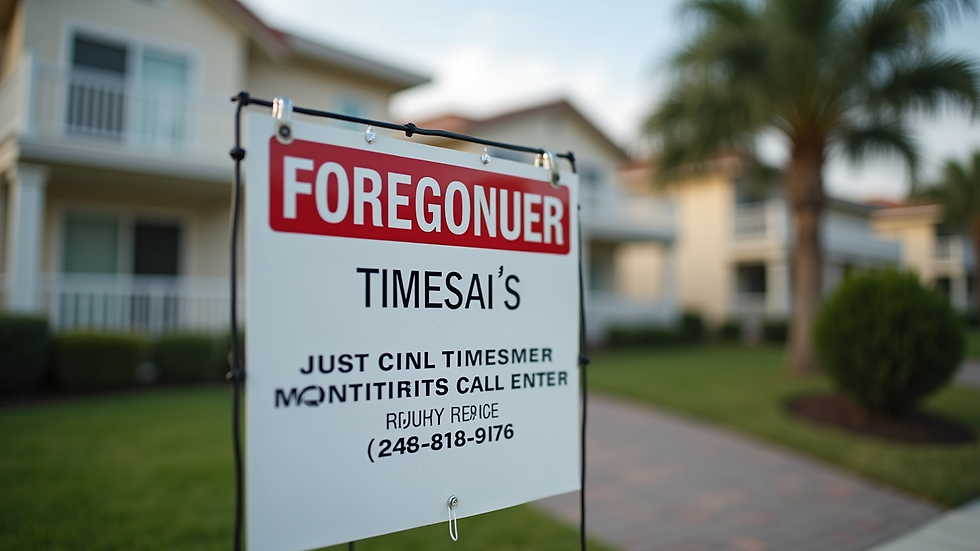
Exploring Your Options Before Payments Are Missed
Understanding what happens if you stop paying your timeshare mortgage is essential, but it is equally important to explore alternatives before reaching that point. Timeshare owners who feel overwhelmed by payments have several options to consider:
Negotiation with the lender - Some lenders may offer temporary relief or modified payment plans.
Timeshare resale - Selling the timeshare on the secondary market can help recoup some costs.
Timeshare cancellation services - Professional services specialize in legally exiting timeshare contracts.
Deed back programs - Some resorts allow owners to return the property voluntarily.
Each option has its pros and cons, and the best choice depends on individual circumstances. Seeking legal advice or consulting with a timeshare expert can provide clarity and guidance.
For those wondering about the specific outcomes, it is helpful to review detailed information on what happens if i stop paying my timeshare mortgage.
The Long-Term Financial Impact of Ignoring Timeshare Payments
Ignoring timeshare payments can lead to long-term financial difficulties. Beyond credit damage and legal action, unpaid timeshare mortgages can result in ongoing fees and penalties. These additional costs increase the total amount owed and make resolving the debt more challenging.
Moreover, the stress and uncertainty caused by unpaid debts can affect personal well-being and financial planning. Timeshare owners may find themselves trapped in a cycle of debt, unable to move forward with other financial goals.
It is important to address payment issues early and seek professional help if needed. Taking proactive steps can prevent the situation from worsening and help regain control over finances.
Taking Control: Steps to Avoid Negative Timeshare Payment Consequences
To avoid the negative consequences of missed timeshare payments, consider the following practical steps:
Review your timeshare contract carefully to understand your payment obligations and penalties.
Create a budget that includes timeshare payments to ensure timely payments.
Communicate with your lender at the first sign of financial difficulty.
Explore legitimate cancellation options if the timeshare no longer fits your needs.
Keep records of all communications and payments related to your timeshare.
By staying informed and proactive, timeshare owners can protect their financial health and avoid the pitfalls associated with missed payments.
Timeshare payment consequences are significant and should not be underestimated. Understanding the risks and available options empowers owners to make informed decisions. Whether facing financial hardship or simply reconsidering ownership, taking action early can prevent severe outcomes and help regain financial freedom.


Comments